
Part 1: My Fully Sponsored Trip Was Refused—What Went Wrong?
By Solomon Asuquo | Travel Experience Africa
I had a job. My organisation had assigned me to attend an economic summit in Canada. I had an invitation from the organiser, and the trip was supposed to be fully sponsored. I submitted supporting documents, including evidence of funds to cover my travel.
My Canadian visitor visa application was still refused.
The decision raised questions that went beyond the disappointment of missing a professional opportunity. If funding had been provided for the trip, why was my financial situation a reason for refusal? And with an invitation to an economic summit, why was the business purpose of my visit questioned?
This is my experience—and the starting point for a conversation about what sponsorship really means when applying for a visitor visa.
The trip I was applying to make
In 2024, I applied for a Canadian visitor visa to attend the Friend of Africa Economic Summit. My organisation had assigned me to attend, and the organiser had issued an invitation letter.
There was a specific event behind the application and a professional reason for making the journey. The proposed trip also had a funding arrangement: it was supposed to be fully sponsored.
Those details matter to this story because they explain the questions that followed. I had submitted documents relating to the visit, along with evidence of funds to cover my travel. Yet the decision questioned both my financial situation and the legitimacy of my business purpose in Canada.
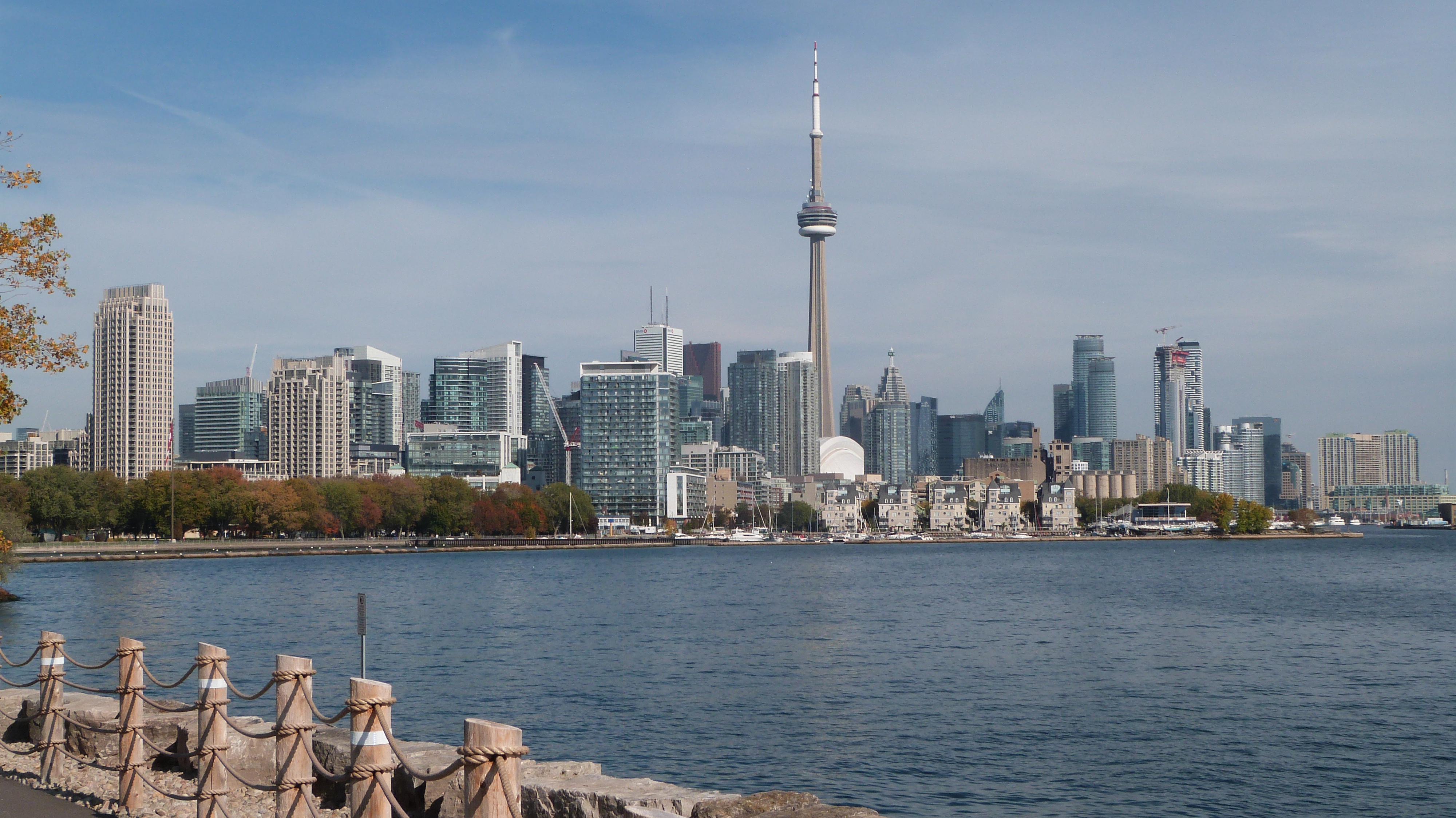
Toronto skyline, 22 October 2017. Illustrative archive image, not a photograph of the author’s trip or summit. Photo: Peter Glyn / Wikimedia Commons, CC0 1.0. Supplied unchanged.
The letter that stopped the journey
The refusal letter, dated 23 September 2024, stated:
“Thank you for your interest in coming to Canada. I have reviewed your temporary resident visa (visitor visa) application and supporting documentation to assess whether you meet the requirements for a visitor visa.
This includes assessing whether you are coming to Canada temporarily for the reason(s) you describe in your application. I have determined that your application does not meet the requirements of the Immigration and Refugee Protection Act (IRPA) and Immigration and Refugee Protection Regulations (IRPR). I am refusing your application.
I am not satisfied that you will leave Canada at the end of your stay as required by paragraph 179(b) of the IRPR. I am refusing your application because you have not established that you will leave Canada, based on the following factors:
- Your assets and financial situation are insufficient to support the stated purpose of travel for yourself (and any accompanying family member(s), if applicable).
- I am not satisfied that you have a legitimate business purpose in Canada.”
Those were the reasons communicated to me. My employment, organisational assignment, invitation and funding evidence had not been enough to satisfy the officer.
But reading a reason for refusal and understanding how the officer reached it are two different things. The letter gave the conclusions. It did not explain, document by document, how the evidence I submitted had been weighed.
When a sponsored trip raises financial questions
The reference to my assets and financial situation was one of the points that stood out.
The proposed journey was sponsored, and I had submitted evidence of funds to cover my travel. That left me asking: what had the financial evidence failed to establish? Was the concern about the funding arrangement, my personal circumstances, or how the information fitted together?
I cannot answer those questions from the refusal letter alone. It would be misleading to turn a possible explanation into a confirmed account of what happened.
Still, the question is worth discussing. When someone says, “My trip is fully sponsored,” what do they understand that to mean for their application? Are they referring to the payment of expenses, the strength of the application, or an expectation that the visa will follow?
My experience brought that distinction into focus.
An invitation—but a questioned business purpose
The second reason raised another question. I had applied to attend an economic summit, had an invitation from its organiser, and was travelling on an assignment from my organisation. Yet the officer was not satisfied that I had a legitimate business purpose in Canada.
What had the invitation and assignment failed to communicate? Was the connection between my work and the proposed visit sufficiently clear in the application?
Again, these are questions prompted by the decision, rather than explanations confirmed by the officer. I cannot point to one document and say that changing it would certainly have produced a different outcome.
What I can say is that the purpose I understood myself to have was not accepted as sufficiently established in the assessment.
Why I am sharing this experience
Visa applications involve more than forms and supporting documents. They sit behind plans: a conference to attend, a relative to visit, a business meeting to join, or an opportunity someone has worked towards.
I am sharing my experience because the word “sponsorship” can carry considerable reassurance when planning a trip. An invitation has arrived. Someone has offered to pay. The journey begins to feel possible.
Then a refusal can leave the applicant wondering what that support actually counted for.
My application concerned a particular journey in 2024. It cannot explain every refusal, and it does not mean another sponsored applicant will have the same outcome. But it gives us a concrete experience from which to ask a useful question:
If a trip is fully sponsored, what must the applicant still demonstrate?
What has your experience been?
Have you applied for a visa to attend a conference, take a holiday, visit family or travel for business? Was your trip sponsored or self-funded? Was the application approved or refused—and what did you learn?
Share your experience in the comments, whether you are reading this article or watching on YouTube. If you received a refusal, did the reasons help you understand the decision, or did they leave you with more questions?
Please do not SHARE your passport numbers, application references, bank details and other personal information.
Coming in Part 2
In “Canadian Visitor Visa Sponsorship: What Does Your Sponsor’s Support Really Mean? Part 2”, we will move from my experience to the practical questions: what an invitation establishes, what financial support means, and what the applicant still needs to demonstrate. We will use a family-visit example to explore the responsibilities of both the host and the traveller.
Visit travelexperienceafrica.com for Part 2, or subscribe to the Travel Experience Africa YouTube channel and turn on notifications to follow the series.
Know someone planning a sponsored trip? Share this story and invite them to join the conversation.
About the author
Solomon Asuquo is a travel consultant and destination specialist with experience in airline ticketing, hotel reservations, airport protocol and travel coordination. He serves as Managing Editor at Travel Experience Africa and previously worked with Rewards Travels & Tours Ltd, a travel management company based in Lagos, Nigeria.
Editorial note: This article recounts the author’s 2024 application. Quotations are excerpts from his refusal letter; personal identifiers are omitted. Part 2 will address practical guidance separately.


